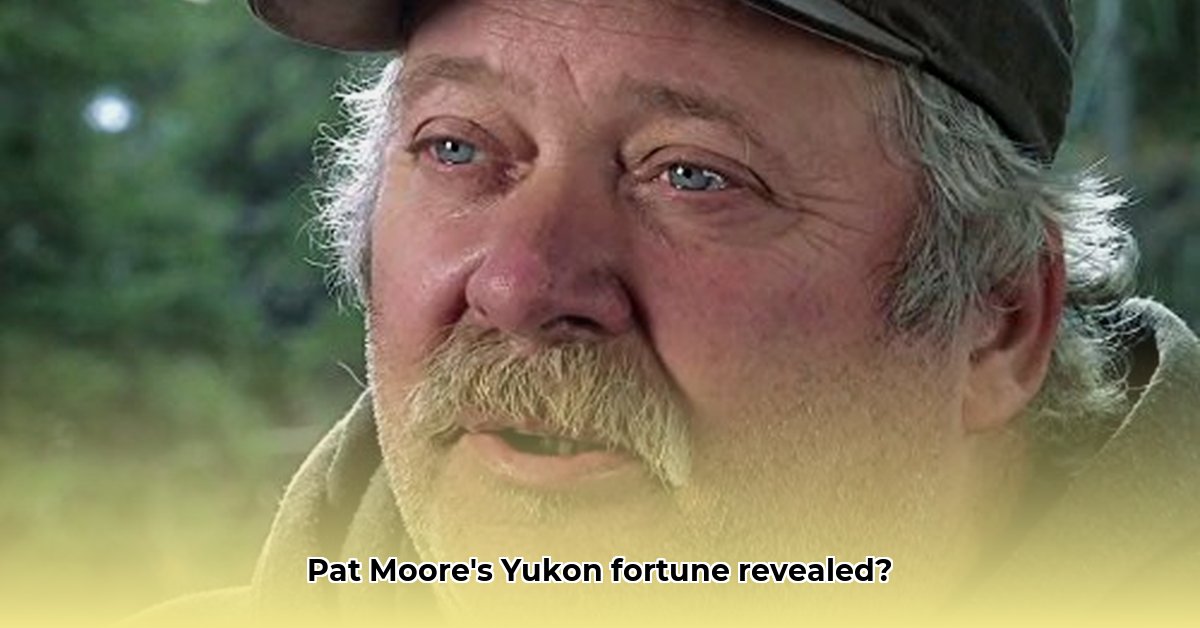
The biting Alaskan wind whispers tales of resilience and resourcefulness, echoing the legacy of Discovery Channel's Yukon Men. From 2012 to 2017, this reality show captivated audiences with its vivid portrayal of life in the unforgiving Alaskan wilderness, showcasing the trapping families who called Tanana home. But what happened to these rugged individuals after the cameras stopped rolling? This article explores their post-show lives, examining the often-speculated-upon net worth of its stars, particularly Pat Moore, and the multifaceted impact of reality TV fame.
Beyond the Traplines: Navigating Life After the Spotlight
The abrupt cancellation of Yukon Men in 2017 left viewers and cast members alike grappling with uncertainty. The transition to life beyond the cameras presented unique challenges and opportunities for each individual. While some seamlessly adapted to their post-show lives, others faced unforeseen hurdles as their established routines were disrupted. This period proved pivotal, reshaping their careers and, inevitably, their financial landscapes. While precise financial details remain private, the show’s influence on their net worth is undeniable. Did the fame translate into lasting financial success, or did the harsh realities of the wilderness ultimately outweigh the allure of reality television?
Deconstructing the Numbers: Estimating Pat Moore's Net Worth
Determining Pat Moore's exact net worth is a near-impossible task. Reliable financial information on these individuals is scarce, and publicly available data is limited. Online estimates, however, often place his net worth in the hundreds of thousands of dollars. These figures are typically derived from estimations considering potential endorsements, possible paid appearances, and the show’s overall commercial success. It’s crucial to emphasize that these are educated guesses, not confirmed facts. Similar challenges exist when attempting to assess the wealth of other cast members, including Charlie Wright and the Zuray family. The diversity of their income streams—trapping, guiding, and other entrepreneurial endeavors—adds to the complexity of financial assessment. How much did the Yukon Men fame actually translate into lasting wealth for those involved?
More Than Just Money: The Show's Enduring Impact
The influence of Yukon Men extends far beyond its cast's financial outcomes. The show captivated audiences not only with its compelling narrative but also by offering a unique window into a way of life deeply connected to the Alaskan wilderness. It sparked important dialogues about environmentally responsible practices, the challenges of living off the grid, and the nuanced relationship between humanity and nature. The controversies surrounding the show's cancellation, especially those related to animal welfare, continue to generate discussion about the ethical implications of reality TV programming. What are the lasting ethical questions posed by the show's legacy?
The Uncertain Trails: Post-Show Journeys of the Yukon Men
The post-show lives of the Yukon Men cast are varied and complex. While some might have successfully transitioned into new opportunities, others likely encountered significant challenges in adapting to life after the spotlight. The realities of transitioning from a televised, curated narrative to the day-to-day realities of life in the Yukon are diverse and complex. Factors such as entrepreneurial skills, personal resilience, and access to support networks undoubtedly played significant roles in determining post-show success and financial stability. While many may have sought to continue trapping, the impact of their increased exposure remains unclear.
The show's enduring legacy, however, transcends the individual financial stories of its cast. Yukon Men encouraged a global audience to consider our relationship with nature, sparking conversations about sustainability, conservation, and the choices individuals make when choosing to live outside of mainstream society. The show's cancellation also underscored crucial dialogues on the ethical responsibilities of reality television producers – a significant conversation that has continued to resonate within the entertainment industry.
Exploring Post-Show Activities (Unconfirmed Estimates)
The following is entirely speculative. It is based on limited, unverified information from online sources and should be treated as highly unreliable.
| Cast Member | Estimated Net Worth (USD) | Possible Post-Show Activities |
|---|---|---|
| Pat Moore | ~$500,000 | Potentially continued trapping, possible endorsements |
| Charlie Wright | ~$450,000 | Likely continued trapping and outdoor-related ventures |
| Stan & Joey Zuray | ~$400,000 each | Possibly continued trapping, guiding, or other businesses |
(Disclaimer: The net worth figures provided are purely speculative and should not be considered accurate representations of the cast members' current financial status. Information on their post-show activities is limited and largely unconfirmed.)
The narratives of the Yukon Men, and the enduring mystery surrounding Pat Moore's net worth, represent a compelling study into the complex relationship between reality television, financial prosperity, and the unpredictable journeys of individuals thrust into the public eye. The show's lasting impact highlights the ever-present need for greater transparency and ethical considerations within the reality TV industry, raising important questions about responsible representation and the long-term impacts on participants. Further research is crucial to fully understand the show's lasting influence and the varied paths taken by its cast members.